Essential Tire Maintenance Tips for Longevity and Safety
Proper tire maintenance is crucial for vehicle safety, performance, and longevity. Tires are the only contact between your vehicle and the road, so keeping them in good condition is essential.
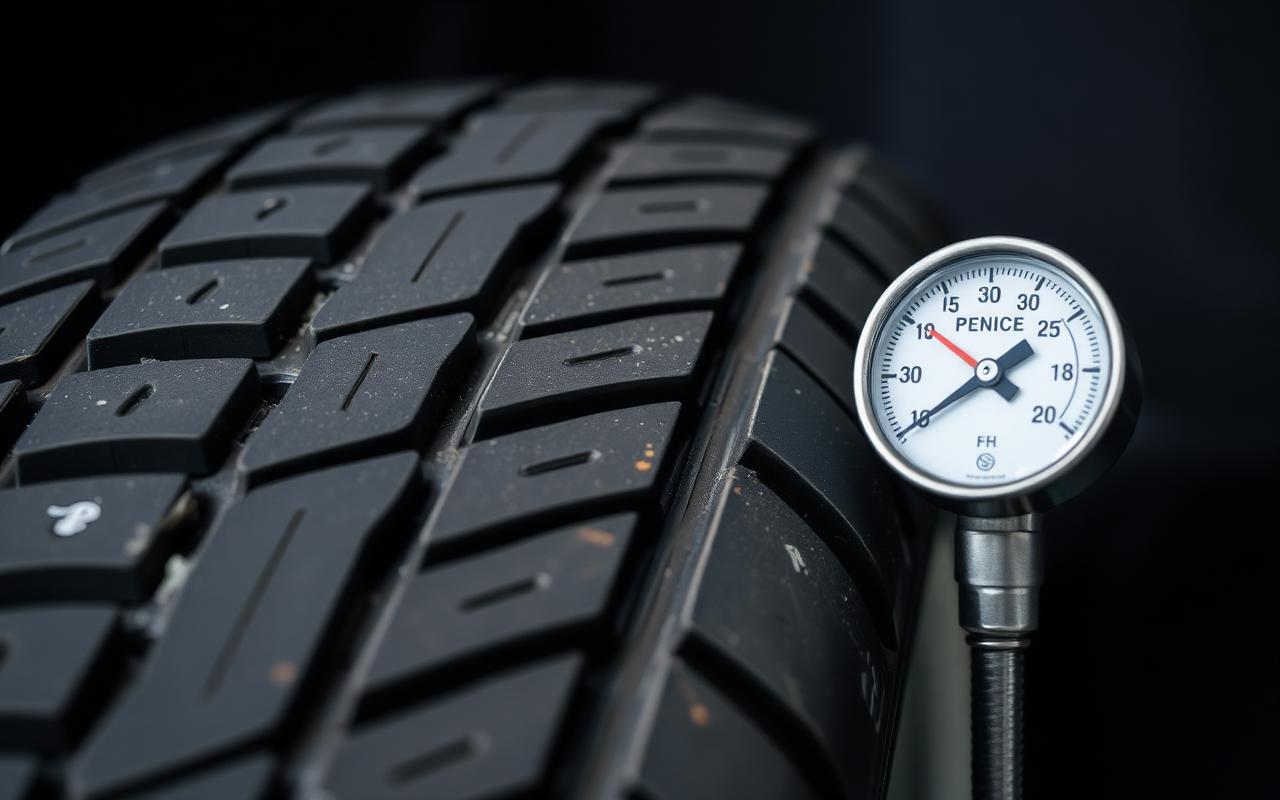
Proper tire maintenance is crucial for vehicle safety, performance, and longevity. Tires are the only contact between your vehicle and the road, so keeping them in good condition is essential. Here are some key tips for maintaining your tires effectively.
Maintaining the correct tire pressure is vital for safety and fuel efficiency. Under-inflated tires can lead to poor handling and increased wear, while over-inflated tires may cause a rough ride and excessive wear in the center. Use a reliable tire gauge to check pressure at least once a month and before long trips. Refer to your vehicle’s owner’s manual or the sticker inside the driver’s door frame for the recommended pressure.
The tread depth of your tires is crucial for traction, especially in adverse weather conditions. Use a tread depth gauge or the penny test—insert a penny into the tread groove with Lincoln’s head upside down. If you can see all of Lincoln’s head, your tread is too worn and it’s time to replace the tires. Generally, a tread depth of 2/32 of an inch or less indicates the need for new tires.
Tire rotation helps ensure even wear across all tires, which extends their lifespan. Most vehicles should have their tires rotated every 6,000 to 8,000 miles, but check your owner’s manual for specific recommendations. Regular rotation helps prevent uneven tread wear and can contribute to better handling and fuel efficiency.
Regularly inspect your tires for signs of damage such as cuts, punctures, or bulges. Any visible damage should be addressed promptly, as it can compromise the integrity of the tire. If you notice any issues, consult a professional to determine whether the tire needs repair or replacement.
Proper alignment and balancing are essential for smooth driving and to prevent uneven tire wear. Misalignment can cause your vehicle to pull to one side, while unbalanced tires can lead to vibrations and uneven wear. Have your alignment and balance checked regularly, especially if you notice any handling issues or after hitting a pothole.
Tires have a shelf life, and even if they appear to be in good condition, they should be replaced after a certain period. Most manufacturers recommend replacing tires every six years, regardless of tread wear. Check the tire’s sidewall for its manufacturing date to determine its age.
By following these tire maintenance tips, you can ensure a safer driving experience and extend the life of your tires. Regular care and timely replacements are key to maintaining optimal performance and safety on the road.
More in Auto
 Best Options for Beginner DriversLearning to drive is an exciting milestone, but choosing the right car can be a daunting task for beginners. New drivers need a vehicle that is easy to handle, safe, and reliable.
 Three Essential Car Interior Accessories for Comfort and ConvenienceWhen it comes to enhancing your driving experience, the interior of your car plays a significant role in overall comfort and convenience.
 How to Prioritize Car Performance Features on a BudgetWhen buying a car on a budget, deciding which performance features to prioritize can be challenging. With limited funds, it's essential to focus on features that offer the best balance between performance, safety, and overall value.